Teaching the Teachers
They say that “teaching is to touch a life forever”. We cannot overestimate the impact of a teacher on the education of a child. However, teacher recruitment and retention are problematic across the globe. The world is facing a significant teacher shortage. It is acknowledged that a highly educated teacher workforce is crucial for improving pupil outcomes and ensuring effective education and that this is achieved through robust initial teacher education programmes and ongoing professional development. This session will consider different approaches to continuing professional development for gifted education. It will acknowledge that educators can have a powerful impact on young people and can shape a cutting-edge school system. It will explore how we can foster, enhance and value the skills that teachers bring to the classroom.
Instructor
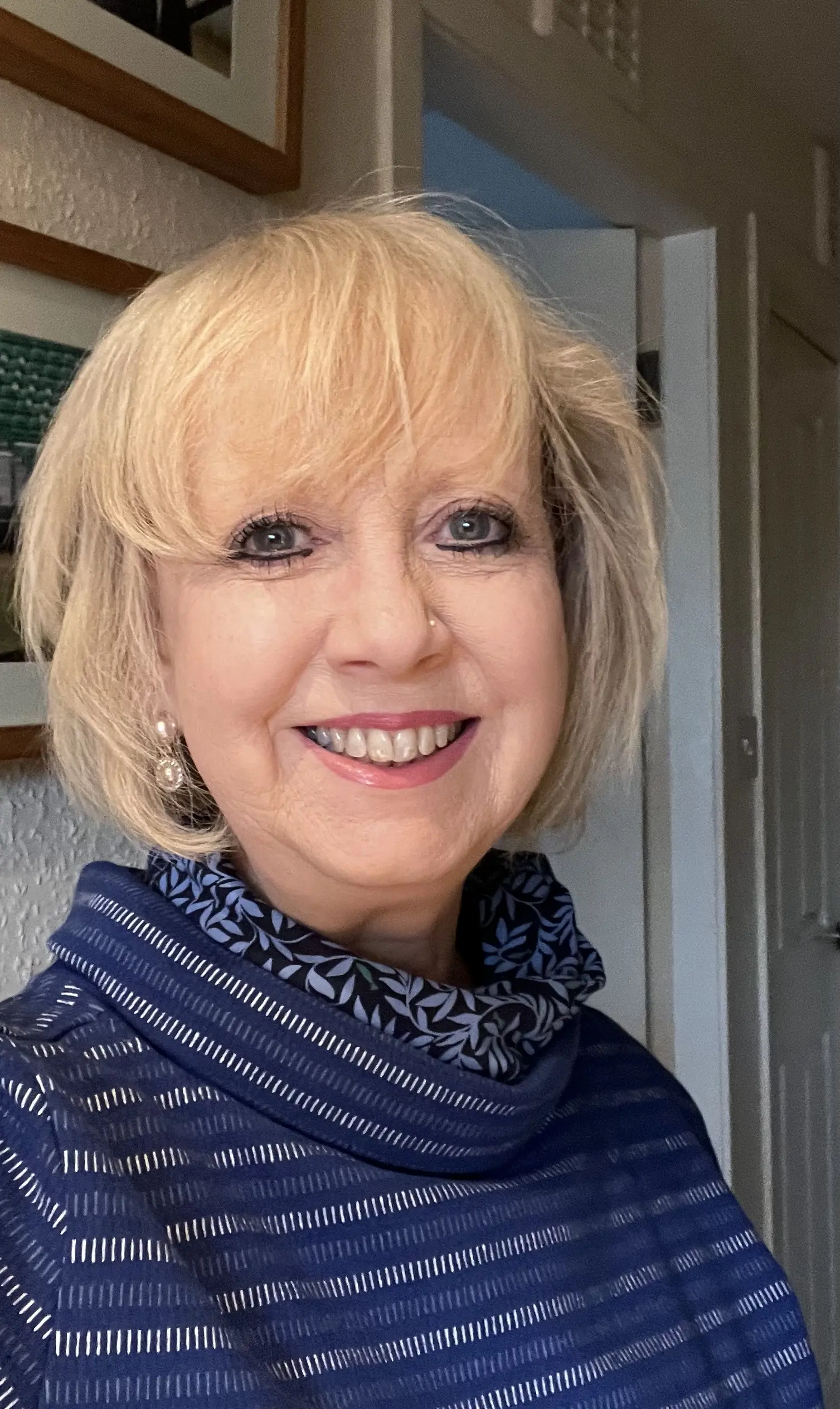
Margaret Sutherland is Emeritus Professor of High Ability Studies and Inclusive Practice in the School of Education, University of Glasgow. She has 44 years teaching experience in mainstream primary schools, behaviour support and latterly in higher education, and so her work has been primarily concerned with learning, teaching and pedagogy. She has published in the field of inclusion and gifted education and is best known for her practical books on being gifted and talented in the early years. Margaret is on the advisory board for the Journal of Research in Special Educational Needs, the British Journal of Special Education and Support for Learning as well as key journals in the field of gifted education. She serves on the Executive Committee of the World Council for Gifted and Talented Children and is a Fellow of the Royal Society of Arts. She regularly gives keynote addresses at conferences and has led courses, workshops and seminars across the UK and has been invited to work with researchers, teachers and students in Africa, Europe, Australasia, China and North America.
Workshop Info


Generative AI Use for Fostering Higher-Order Thinking in Gifted Students
Generative artificial intelligence (AI) can be a powerful tool for fostering higher-order thinking in gifted learners. This session explores how AI-driven tools can support critical thinking and problem-solving in curriculum design. Participants will examine practical applications, including AI- assisted inquiry-based learning and student-driven projects that promote deep analysis. The session will also address ethical considerations and best practices for responsible AI integration. Attendees will leave with concrete strategies and resources to incorporate AI effectively in ways that challenge and engage gifted students.
Instructor
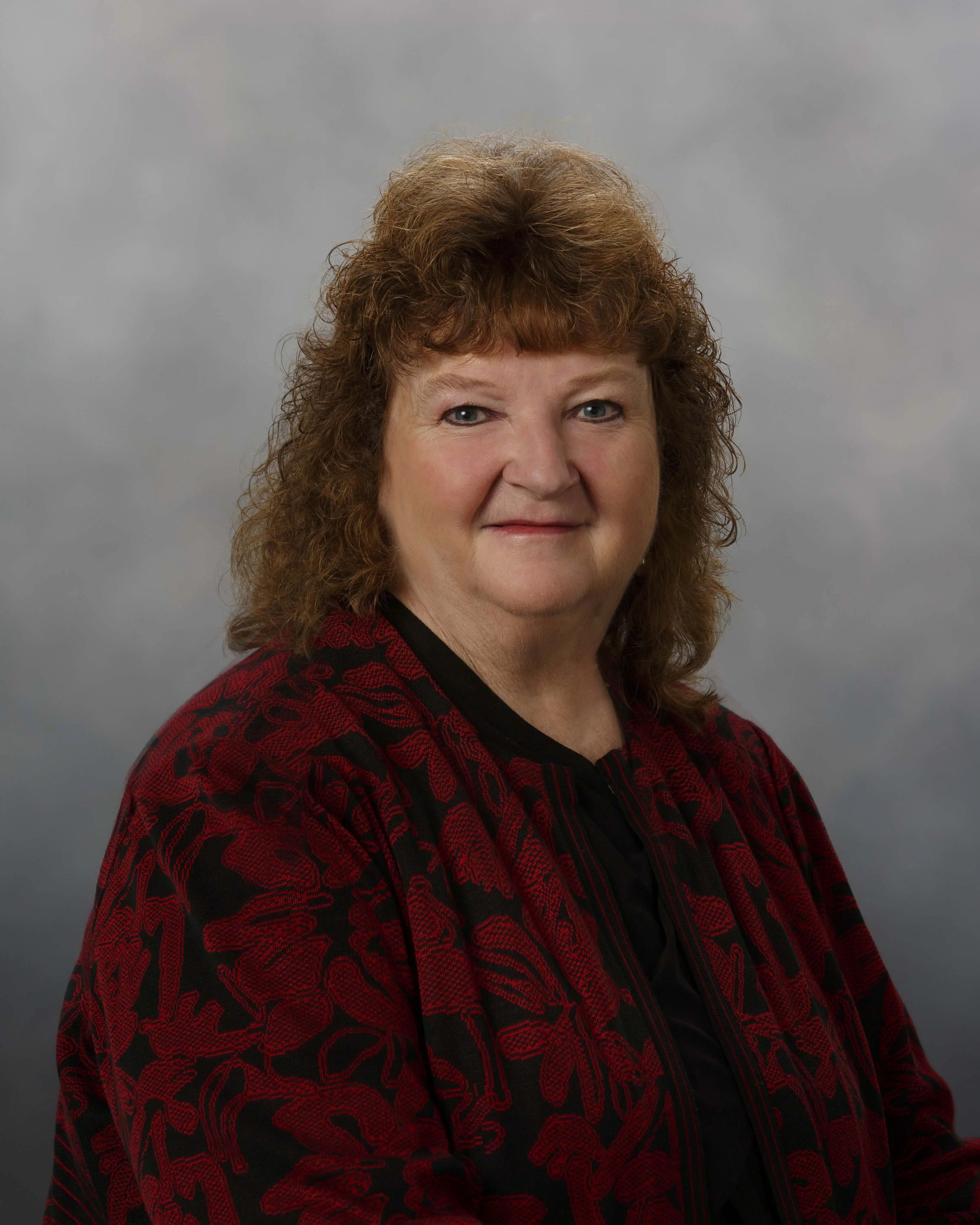
Kimberley Chandler, PhD, is the Director of Curriculum at the Center for Talented Youth (CTY) at Johns Hopkins University (JHU) and is responsible for assisting with strategic oversight of CTY’s curriculum across in-person and online modalities. Chandler’s professional background includes teaching advanced learners in a variety of settings, serving as a central office administrator of school district enrichment programs, serving as a clinical assistant professor of gifted education, and providing professional development training for teachers and administrators nationally and internationally. Chandler received her bachelor’s, master’s, and Ph.D. from William and Mary in Virginia.
Workshop Info
Helping them flourish, helping them grow: the importance of early years education
This session will consider the role that early childhood education and care (ECEC) can play in the flourishing and development of young gifted and talented children. It will consider international and national trends in ECEC and explore how these might translate into practice in the classroom. It will examine why there can be considerable resistance to identifying and providing for gifted young children whether they be from advantaged or disadvantaged backgrounds and conclude by considering four key areas when thinking about, planning for, and supporting, gifted young learners: well being, curriculum development, intentional learning and teaching, and support for gifted learners.
Instructor
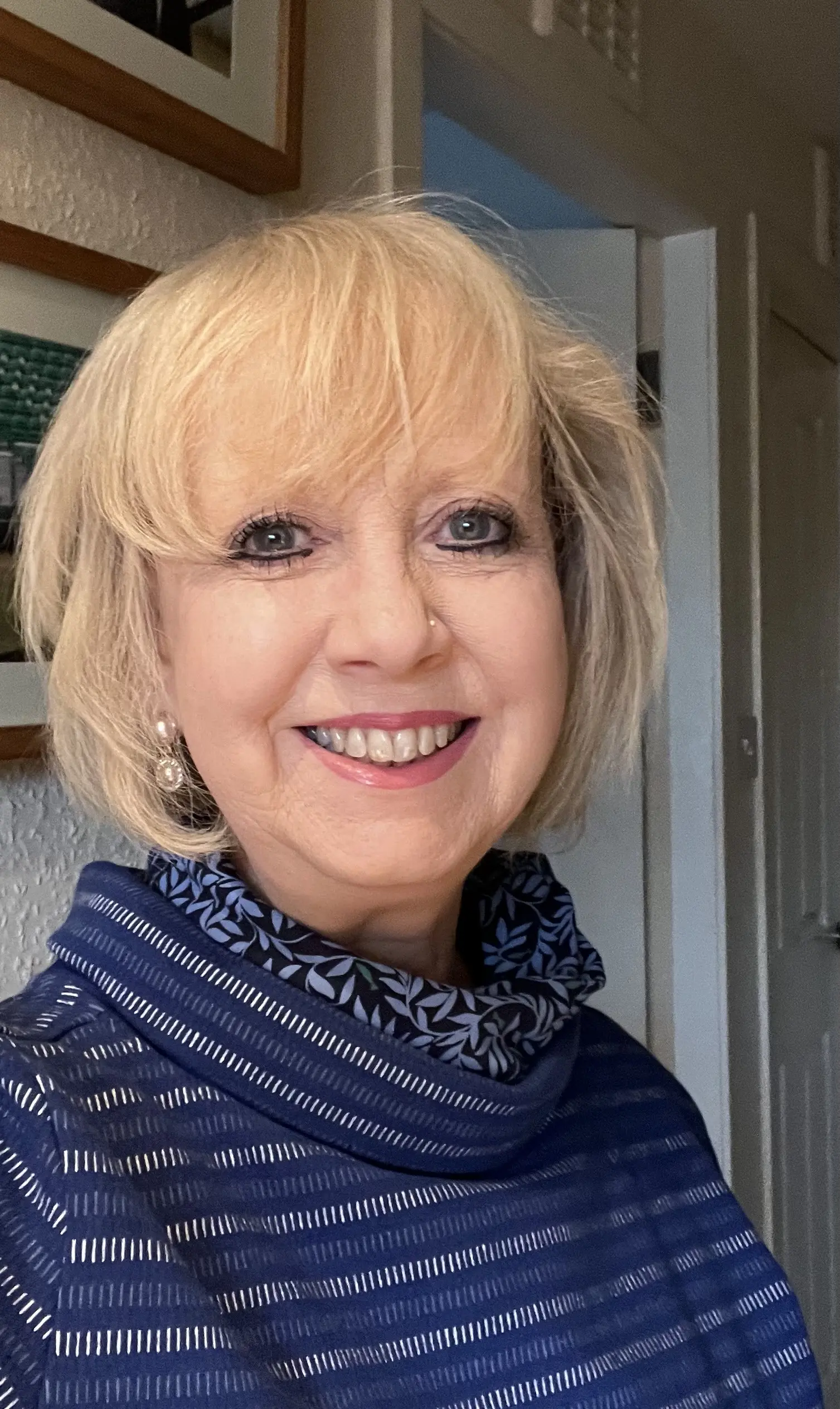
Professor Margaret Sutherland, PhD is Professor Emeritus of High Ability Studies and Inclusive Practice and was Director of the Scottish Network for Able Pupils at the University of Glasgow, Scotland, UK. She is a Fellow of the Royal Society of Arts. She has written articles in the field of high ability and is author of Gifted and Talented in the Early Years: A practical guide for 3-6 year olds and Developing the Gifted and Talented Young Learner. She has 42 years teaching experience in mainstream primary schools, behaviour support and latterly in higher education. She is interested in social justice and issues relating to poverty and the role of formal and non-formal education in creating more just societies in the global north and south.
Workshop Info
Curriculum for Gifted Students
This session offers an exploration of best practices for designing curriculum that meets the unique needs of gifted learners. It begins by examining the distinct characteristics of gifted students, focusing on their learning needs and the challenges they often encounter within traditional educational settings. Participants will gain insight into key principles of curriculum design tailored for gifted students. The session covers essential strategies such as differentiation, acceleration, and curriculum compacting, emphasizing how to create curriculum with depth, complexity, and flexibility. Practical examples will illustrate these concepts, providing attendees with actionable ideas they can implement in their own classrooms. The role of social and emotional learning (SEL) in supporting the holistic development of gifted learners will also be briefly discussed. The session highlights simple yet effective strategies to integrate SEL into challenging academic curricula, helping educators address both the cognitive and emotional needs of their students. Finally, the session introduces innovative tools, technologies, and methodologies that enhance learning for gifted students; by exploring these tools, participants will discover creative ways to make learning both engaging and meaningful. This session equips educators with the knowledge and tools they need to develop curriculum that enables gifted students to thrive.
Instructor
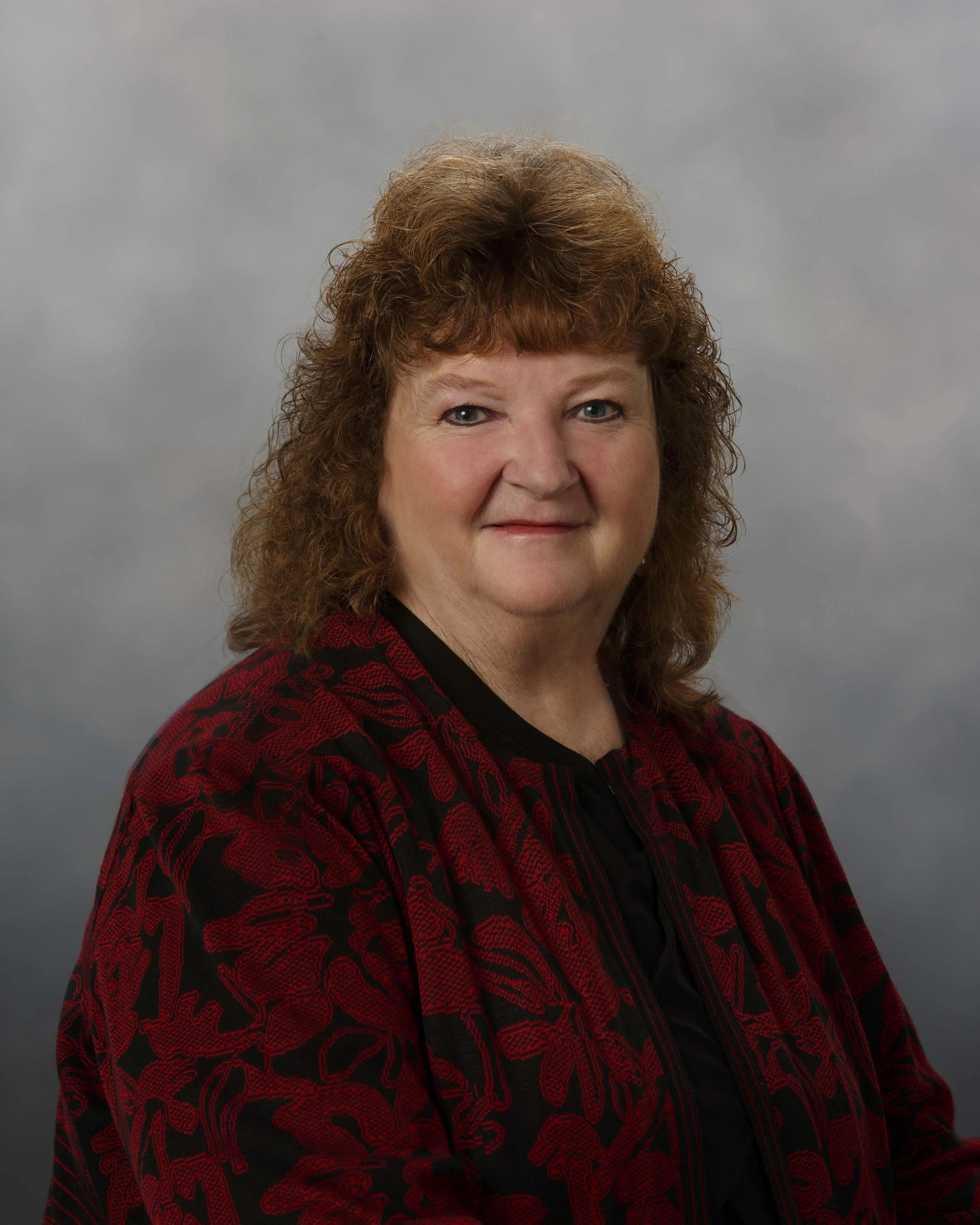
Kimberley Chandler, PhD, is the Director of Curriculum at the Center for Talented Youth (CTY) at Johns Hopkins University (JHU) and is responsible for assisting with strategic oversight of CTY’s curriculum across in-person and online modalities. Chandler’s professional background includes teaching advanced learners in a variety of settings, serving as a central office administrator of school district enrichment programs, serving as a clinical assistant professor of gifted education, and providing professional development training for teachers and administrators nationally and internationally. Chandler received her bachelor’s, master’s, and Ph.D. from William and Mary in Virginia.
Workshop Info
Effective Educational Strategies for Teachers
Every gifted programme consists two parts: enrichment and acceleration and their combinations. There is always more enrichment than acceleration, but the latter is usually more effective. As a teacher she ran a programme for bright and gifted children for several years, more than 300 children took part. At the time it was the only school of this type in my German state that did have a programme. At the same time 6 skipped a grade. That was a lot: 80 per cent of schools of the same type had no grade skippers, the others one or two. As a researcher I did two large studies on acceleration: questionnaires for 2 000 schools each time. If well done, pupils rarely had intellectual or social problems. In a third study I asked adults of their memories of acceleration. There were 115, born between 1917 and 1987, so their memories span 70 years. 90 per cent of the women and 80 per cent of the men said they’d do it again, if circumstances were the same. The workshop will deal with what individual teachers can do in their classrooms.
Instructor
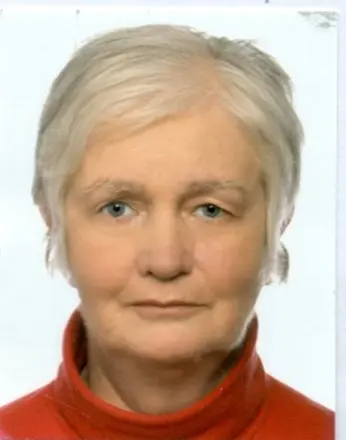
Dr. Annette Heinbokel was a German teacher (now retired) at different types of schools. Early in her career she became interested in gifted children. In 1978 she founded the German Association for Gifted Children. Apart from the teaching diploma she got an extra diploma in education, her thesis was published in 1988 and was one of the first German books that dealt with all aspects of giftedness. Later she got a PhD in education on the subject of acceleration / grade skipping. She did two large studies, spanning 20 years, in her state. Besides she developed questionnaires for adults and their memories of grade skipping. She has been a member of the World Council for Gifted and Talented Children and its German delegate since 1977, a member of the European Council for High Ability since 1992, it’s German national correspondent and the editor of the ECHA newsletter since 2004.
Workshop Info
Detecting high ability students in class: do we need to measure curriculum or competences?
Traditionally, high ability students have been classified into categories such as gifted, talented, or creative individuals based on their performance in academic settings. Teachers in primary and secondary education often play a crucial role in identifying these students within regular classroom environments. However, there is a growing concern that the development of high abilities may be overly focused on mastering curricular content, potentially neglecting the cultivation of essential civic competences necessary for real-life adaptation. This workshop aims to explore this issue by presenting preliminary results of a psychometric study that compare the rates of excellent performance in two prestigious examinations in Spain: university entrance examinations (EBAU) and International Program for Student Assessment (PISA). A paradox is found in this context, as the main subjects in EBAU (e.g. Biology or Language) do not have significant prediction on PISA related competence (e.g. Science or Reading). Implications and future lines will be discussed in terms of possible ways to improve the identification of high ability students under the academic achievement paradigm.

Instructor
Dr. Alejandro Veas obtained an international PhD at the University of Alicante (Spain). He has a degree in Psychology and a Master of Secondary Teacher Trainee at the University of Murcia (Spain). He worked as educational counsellor in different high schools. Currently, he works as Associate Professor in the department of Developmental and Educational Psychology at the University of Murcia. His research lines focus on psychometrics and structural equation modelling, mainly applied to the analysis cognitive, motivational, and contextual variables associated with academic achievement, giftedness, and assessment competences.
Workshop Info
Effective Educational Strategies for Teachers, Effective Fostering Strategies for Parents
UAE has declared 2023 as the Year of Sustainability. This presentation aims to build the capacity of educators to select, share, and build a Sustainable Development Goals – SDG-themed diverse picturebook library for gifted and talented students. This is in keeping with the 2030 Agenda for Sustainable Development adopted by all United Nations Member States in 2015, and the upcoming COP28 to be held in Dubai. Given gifted students’ propensity to ask profound philosophical questions about one’s self and the world (Rimm, Seigle, & Davis, 2018), their heightened emotional sensitivities and overexcitabilities (Mendaglio, 2020) coupled with their moral judgment and ethical responsibility (Tirri, 2011) – the SDG diverse picturebook list has the potential to inspire them, expand their worldview, and engage them in efforts on social justice and climate action to create and envision a safer, more inclusive, humane, and sustainable environment.
Instructor
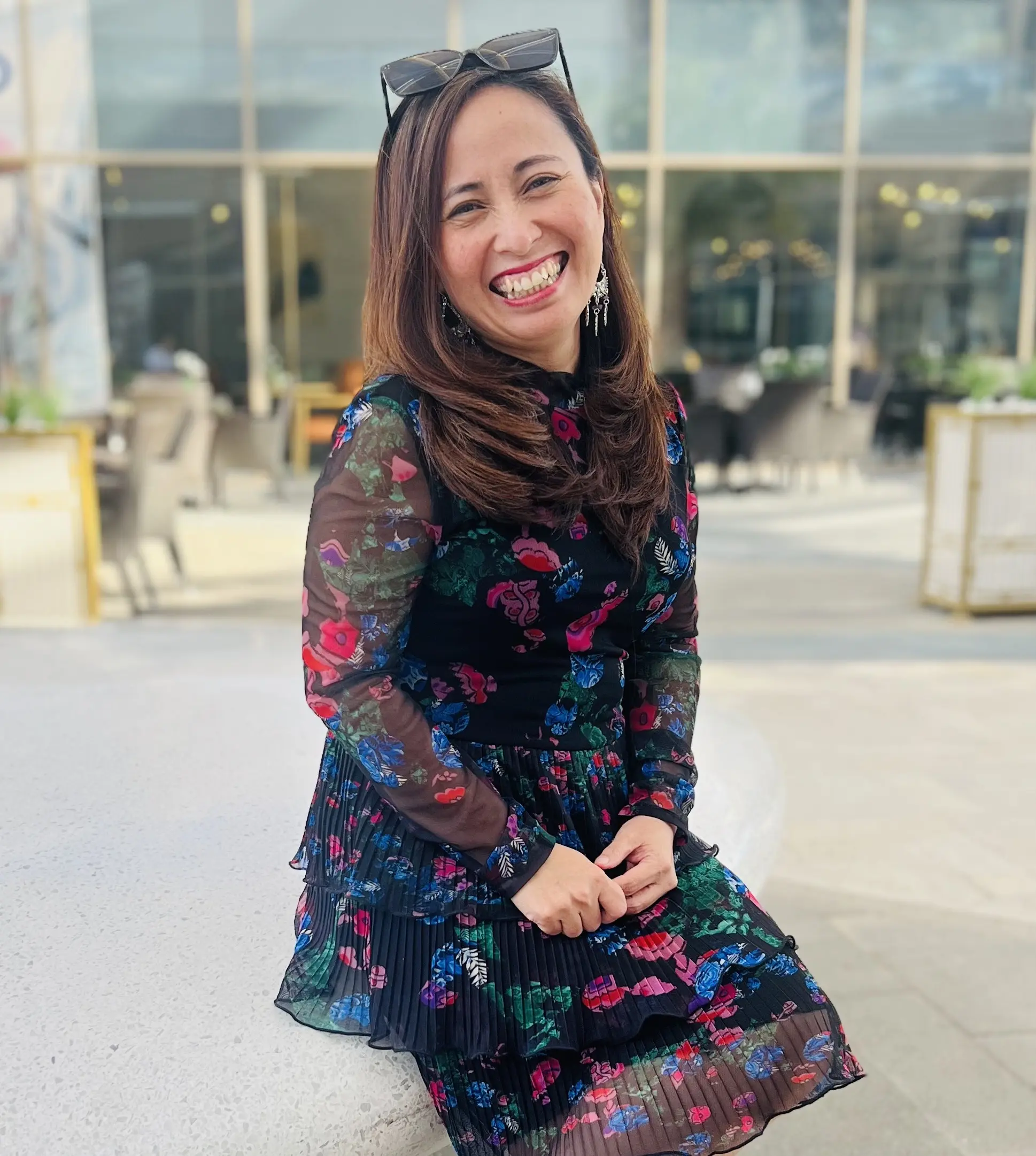
Myra Garces-Bacsal is the Assistant Dean for Research and Graduate Studies for the College of Education. She also serves as an Associate Professor with the Special Education Department and is the Chair of the Research and Graduate Studies Committee, Chair of the College Strategic Committee, and Chair of the College Expo 2020 | 2022 Committee. She is a recipient of the College Excellence in Service Award in 2023 and the College Excellence in Scholarship Award in 2022. She will be accompanied by her SURE Plus Research Team in the sharing of diverse picturebooks with the participants.
Workshop Info
Gifted education in cultural context
Giftedness is characterized as children who demonstrate outstanding performance, task commitment, and creativity in one or more academic domains. Unfortunately, scholarly discussions on gifted education has mainly been limited to western context and countries such as United Arab Emirates are following their footprint to implement gifted education. Currently, there is growing discussions about the nexus between giftedness and culture. However, the traditional understanding of gift and talent has nothing to do with the formal school structure. In particular, the formal school system does not consider or incorporate the traditional understanding of giftedness into the curriculum. Thus, in contexts such as United Arab Emirates, there is a need to raise awareness about the intersection between giftedness and culture as well as ways to support nurturance of gifts/talent.

Instructor
Dr Maxwell Peprah Opoku is currently an Assistant Professor in Special Education at the United Arab Emirates University. He holds a PhD in Education from University of Tasmania, Australia. Before Joining UAEU, he worked as casual academic, teaching undergraduate and graduate courses at Faculty of Education, University of Tasmania, Australia. Maxwell has a passion for research and his research interests include but not limited to: gifted education, disability research, special education, cerebral palsy, autism, Down Syndrome, intellectual disability, mental health, Deaf research, visual impairment, professional development, inclusive leadership, rural education, teacher education, parenting, human development, gender and inclusive research, community-based rehabilitation, education and social justice, inclusive education, disability and behavior management, trauma-informed practice, classroom management, health research, human rights, social policies and public policy. He has published over 120 peer review journal articles, three book chapters, one edited book and presented papers at several international conferences.
Workshop Info
Self-Regulated Learning
Teachers and parents play a major role in the planning and practical implementation of individual learning episodes as well as learning pathways. But neither can teachers and parents be permanently present during the learning process nor would that be desirable. The question therefore becomes important how the gifted can control this themselves after appropriate instruction. These skills are addressed by the self-regulatory learning approach. The workshop will first give an overview of the most important theoretical contexts that are important for encouraging self-regulated learning among school students. According to the process model of self-regulated learning by Ziegler and Stöger (2005), self-regulated students derive their learning goals from self-assessments, strategically plan their learning process, implement the planned strategy, monitor and adjust it if necessary, and finally evaluate their learning behavior and outcome. An overview of the main components of self-regulated learning from an applied perspective is given with a special focus on school-based learning. The workshop will focus on the question of whether and how the components of self-regulated learning can be improved through practice and targeted training within the classroom and at home. Research studies show that this is possible, but various aspects have to be considered. Examples will be given as well as the basic principles of successful training of self-regulated training in school lessons introduced.
Instructor
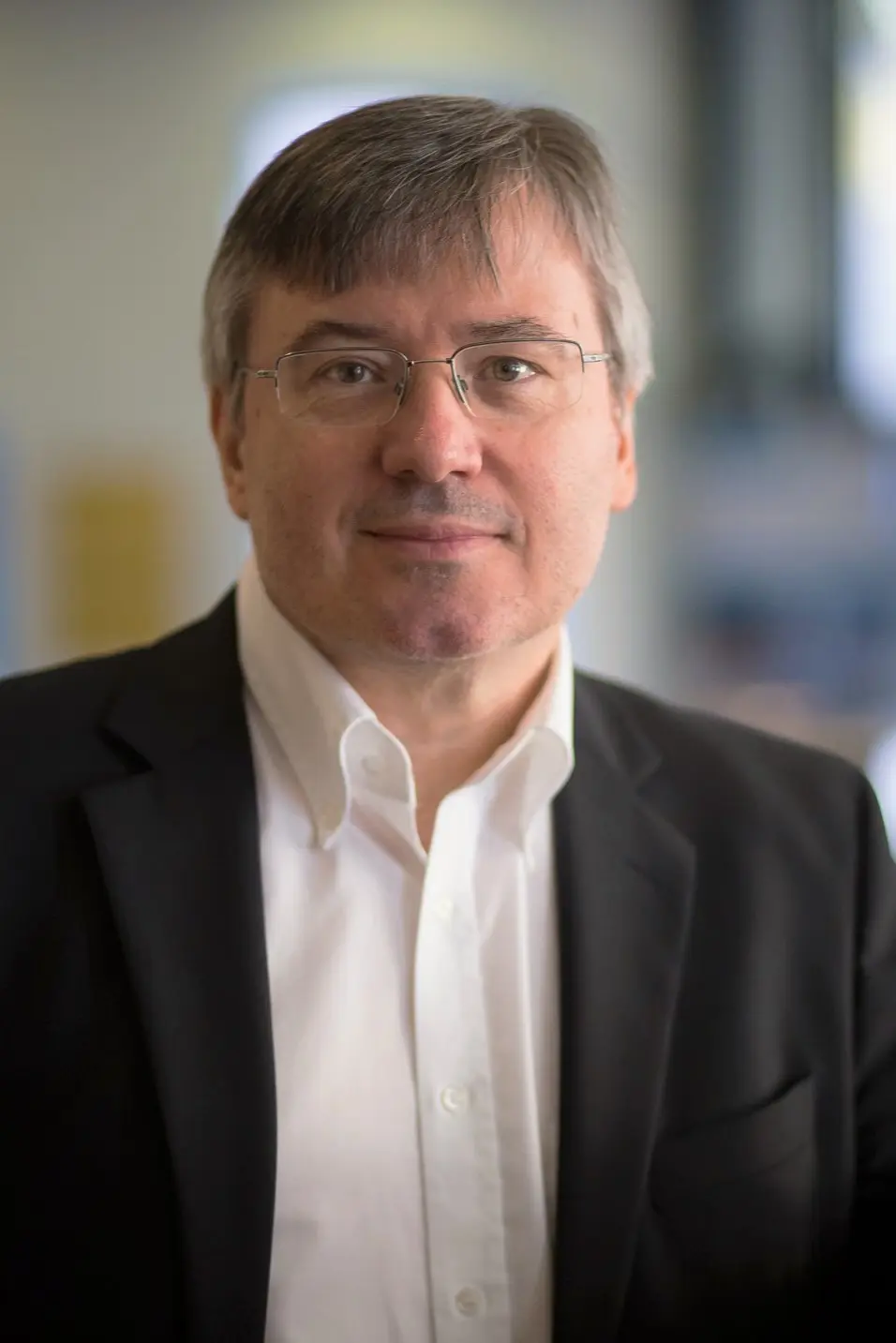
Albert Ziegler, PhD, is Chair Professor of Educational Psychology and Research on Excellence at the University of Erlangen-Nuremberg, Germany. He is the Founding Director of the Statewide Counseling and Research Center for the Gifted. He has published approximately 450 books, chapters and articles in the fields of talent development and educational psychology. He developed the Actiotope Model of Giftedness, which promotes a systemic conception of giftedness. In his research, his main interests are self-regulated learning, learning resources and effective learning environments, mentoring, and gifted identification. He is the immediate Past-Vice-President of the European Council for High Ability (ECHA) and the Founding Chairman of the European Talent Support Network (ETSN) and was in 2017 appointed Director at the World Giftedness Center in Dubai.
Workshop Info
Acceleration
Numerous studies have examined the academic, social, and psychological effects of acceleration. The findings showed that various accelerative options benefited the gifted individuals by promoting both their academic performance and psychosocial functions. However, acceleration is underused in educational settings. Are you aware of the effectiveness evidence of acceleration? Do you have any concerns to implement acceleration for your gifted students? In this workshop, you will learn about acceleration essence, accelerative options to be chosen, as well as scientific evidence of acceleration effectiveness. Through a demonstration with details of an identified best practice example in acceleration, the instructor will engage you to reflect on the key issues to pay attention to when planning and implementing accelerative programs in your school.
Instructor
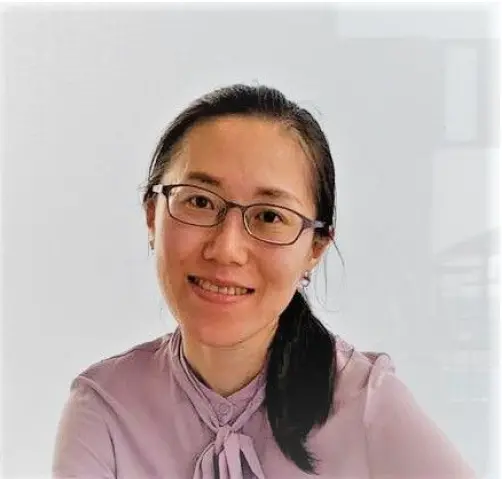
Dr. Mingjing Zhu is a senior researcher at the World Giftedness Center (WGC). She holds a Ph.D. degree in Educational Psychology from the University of Munich, Germany. Dr. Zhu hosted and collaborated with national and international scholars on more than 10 research projects to explore the school children’s cognitive and psychosocial development as well as the influences of teachers and parents. She has 18 publications including peer-reviewed journal articles, a book chapter, and a government report. After the Postdoctoral work in the China Research Center for Supernormal (Gifted) Children, she joined the WGC in January 2018 and developed the best practice criteria for gifted acceleration via a comprehensive literature review.
Workshop Info